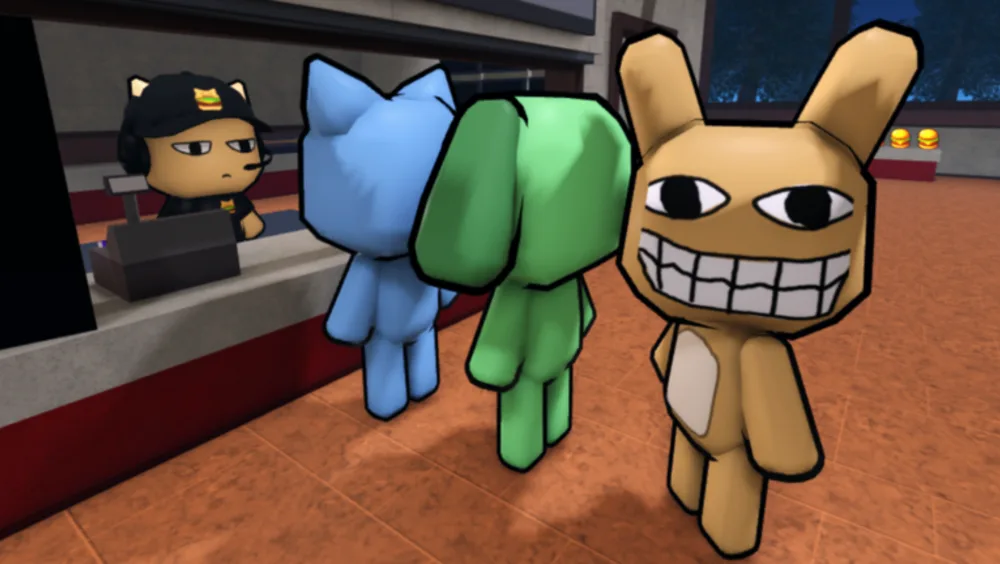
Roll to Defend is a Roblox tower defense and incremental simulator developed by D:/Drive (Roblox Group ID: 861213399, 149,400+ members), created by developer kookraken, published on 14 May 2026. In seven weeks it has logged over 1.5 million visits, earned 5,712 favorites, and holds a 94% positive rating, a strong reception for a game still in its first major update cycle.
The official description distills the loop to three actions: “Roll Units, Fight Zombies, Buy Zones.” You roll a dice to unlock defensive units, place those units to resist zombie waves, and spend earnings on new world zones that raise the difficulty ceiling and the income potential. The RNG mechanic on rolls means two players running the same session can land very different unit compositions, which is most of what makes Roll to Defend Roblox worth replaying.
What Is Roll to Defend?
Roll to Defend blends two mechanics that perform well independently on Roblox: RNG-weighted unlock systems (the same probabilistic pull model used in Axe RNG and similar games) and passive wave defense (where your deployed units handle combat automatically while you manage positioning and economy).
The result is a game where the quality of your defensive lineup depends partly on roll luck and partly on how deep you’ve pushed into zone progression. Neither factor alone determines success, a skilled player with a lot of upgraded commons can outperform a lucky player with a rare unit placed poorly.
Quick stats (as of 5 July 2026):
- Visits: 1,500,000+
- Active players: ~7,869
- Favorites: 5,712
- Rating: 94%
- Developer: D:/Drive (kookraken)
- Roblox game: Roll to Defend on Roblox
- Created: 14 May 2026
- Events: Update #2 live; Admin Abuse #2 scheduled 9 July 2026
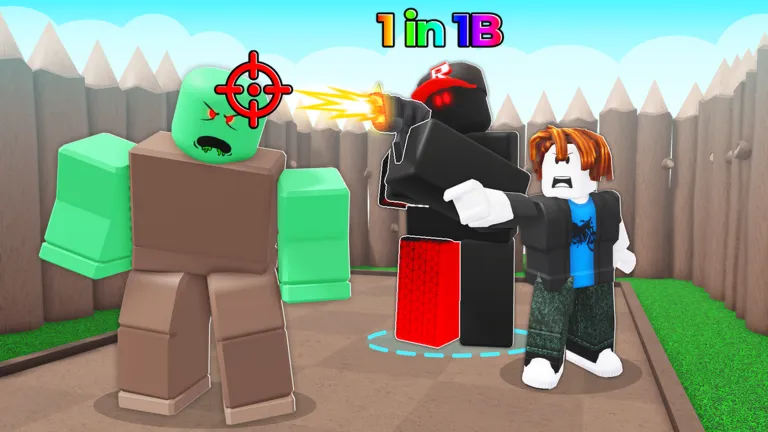
Core Loop: Roll, Deploy, Defend
Every session in Roll to Defend Roblox follows a repeating sequence:
1. Roll for a unit. The dice-roll mechanic assigns a defensive unit from the pool. Rolls are weighted, common units drop frequently, rarer units have lower probability. In-game currency and upgrades can improve the odds of landing better units over time.
2. Deploy your lineup. Units placed in valid map positions begin attacking zombie waves automatically. Roll to Defend is not an active-aim game, it is a setup and strategy game where your job is to arrange units effectively before each wave begins.
3. Survive the zombie waves. Waves escalate in enemy count and health as you progress. Surviving a wave earns currency. Failing to stop a wave costs health from a shared defense pool. Reaching zero ends the run.
4. Spend on zones. Zones are the core vertical progression step, new zones unlock additional map positions, introduce harder enemy types, and raise the offline income tier. Buying the next zone as soon as your lineup clears the current one is the standard progression rhythm.
5. Collect offline income. Roll to Defend generates currency while you’re offline. Logging in after a session break typically provides enough income for a batch of rolls or a zone unlock attempt, so each session starts with capital rather than zero.
The RNG Unit System
The unit pool in Roll to Defend ranges from common defenders to specialist rares. Each unit has a base attack value, an attack speed, and a placement range. The rare units in the pool have higher base stats, but the upgrade system means an advanced common can exceed the base stats of an unupgraded rare.
This creates a legitimate strategic question: invest in upgrading the commons you already have, or bank rolls in hope of a rare? The correct answer changes based on where you are in zone progression. Early zones reward investment in volume, filling positions with upgraded commons clears waves reliably. Later zones, which have enemies that scale faster, start to favor a rarer unit’s higher ceiling.
D:/Drive’s Update #2 (live as of early July 2026) adjusted roll weights and added new units to the pool. Players farming for specific rare units should check the developer’s Roblox group page for the updated probability distribution after any patch.
Zone Progression
Zones are the main progression axis in Roll to Defend. Each zone purchase does three things simultaneously:
- Adds placement tiles. New zones expand the physical map, creating more positions for deployed units. More placement positions means more damage output against incoming waves.
- Introduces harder enemies. Each zone tier has associated zombie variants with higher health and speed. This is the intended challenge ramp; new zones are designed to require a lineup strong enough to clear the previous zone efficiently.
- Raises offline income. A higher zone tier passively generates more currency per hour while you’re away. The delta in offline income between zone tiers is meaningful, sitting at a cleared zone instead of pushing to the next one is a direct opportunity cost.
The practical rule: push zones as soon as your lineup can hold the next tier. Overextending (buying a zone your lineup can’t clear yet) will lose the health pool and reset your run without the income that clears provide.
Group Luck Bonus
Players who join D:/Drive’s Roblox group (ID: 861213399) receive a Group Luck Bonus that improves the probability of rolling rarer units. The group is free to join, has over 149,000 members, and the join process takes about 30 seconds.
For a game where roll luck is a primary driver of lineup quality, this is the single most effective free advantage available to new players. Joining before your first session means every roll you make is running on better odds from the start.
Playing With Others
Roll to Defend’s small server size keeps sessions compact. The key multiplayer incentive is shared currency for wave clears, all players present earn from each defended wave, making a coordinated group more efficient per player than solo play. An additional mechanic that may compound Group Luck between multiple group members in the same server has been noted by players, though D:/Drive has not published an official confirmation of the interaction as of Update #2.
The Admin Abuse community events (Update #2 featured one; Admin Abuse #2 is scheduled for 9 July 2026) are the developer’s way of creating high-activity server moments. These events typically include bonus roll rates or special event drops and are worth attending live.
Tips for New Players
Getting your Roll to Defend Roblox progression started efficiently:
- Join D:/Drive’s group first. The Group Luck Bonus on rolls is free and permanent. Do this before your first roll session.
- Upgrade commons you already have before banking rolls for rares. An upgraded common in a good position outperforms an unupgraded rare in a bad one.
- Don’t sit on a cleared zone. Offline income scales with zone depth. Every hour you spend at a cleared zone rather than the next one is lost income.
- Use offline income at the start of each session. Log in, convert accumulated income to units and upgrades before playing any waves. This creates positive session momentum.
- Watch the unit pool notes after updates. D:/Drive adjusts roll weights in updates. Knowing which units have been buffed or added to the pool changes which upgrades are worth investing in.
For other Roblox games built around RNG-based progression, Axe RNG uses a similar probabilistic unlock model for weapon variants. Battle Pets has a comparable passive-defense structure with a pet collection axis. Blox Monsters focuses on monster wave escalation with active combat rather than unit deployment. Build a Base RNG (game hub) is the closest cousin of all, it pairs the same RNG rolling with base-building tower defense, and your base even keeps fighting waves while you’re offline.
For survival and defense games on Roblox with active player involvement, Survive Baddies in Area 51 is wave-survival with a direct action component. Nuke Wars and Missile Wars handle territory defense with more player-driven combat. 1 Soldier Per Step generates defenders from player movement, different mechanic, overlapping genre audience. Bonk and Block and Supreme Battlegrounds offer more PvP-oriented defense for players who want player-vs-player challenge alongside the wave format. Merge a Nuke uses a merge mechanic for offensive escalation, structurally similar to the upgrade path in Roll to Defend.
Does Roll to Defend Have Codes?
No promo codes have been issued for Roll to Defend as of 5 July 2026. D:/Drive has not published a code redemption system on the Roblox game page or group page. No code tracking site has published a codes list for this game.
If D:/Drive adds a code system in a future update, announcements will appear on the official Roblox group page (Group ID: 861213399). This page will be updated if a code system launches.
Roll to Defend FAQ
Is Roll to Defend pay-to-win? No P2W structure is visible in the current game build. Progression appears tied to roll count and zone investment rather than Robux spending. The Group Luck Bonus (from a free group join) is the only meaningful free advantage on the roll system. Individual updates can change monetization, check the developer’s Roblox group for patch notes.
How do I improve my roll odds? Join D:/Drive’s Roblox group for the free Group Luck Bonus. In-game upgrade paths also improve roll probability as you invest in the upgrade tree. Rarer units become more likely at higher upgrade tiers.
What happens if zombies break through? Breaching zombies drain the shared health pool. Reaching zero ends the current run. You restart from the beginning of the wave sequence rather than a checkpoint, so having accumulated offline income ready for rolls before the next attempt is valuable.
Who made Roll to Defend on Roblox? Roll to Defend was created by developer kookraken operating under the D:/Drive Roblox group (Group ID: 861213399). D:/Drive focuses on simulator and incremental-style games on Roblox.
Does Roll to Defend have private servers? Private server availability can change with updates. Check the game’s About section on Roblox directly for the current status.
![[CURSED] Anime Astral Simulator Tier List cover](/article-covers/anime-astral-simulator-tier-list.webp)